

Beginner Fishing Tackle Checklist

Walking into angling for the first time can feel like being handed a menu in a language you only half speak. Rod lengths, line strengths, shot sizes and hook numbers all seem to matter, and every forum has a different opinion. This beginner fishing tackle checklist cuts through it. It sets out exactly what a new angler in the UK needs for a first session on a lake, canal, river or the coast, what can sensibly wait, and the one piece of paperwork you cannot skip.
Quick answer: A beginner needs a starter rod or rod and reel combo, a spool of 6-8lb mono, barbless hooks in sizes 14-18, non-toxic split shot, a few floats or small spinners, a disgorger or forceps, a landing net, an unhooking mat and a tackle box. In England you also need an Environment Agency rod licence for freshwater.
Key Takeaways
Buy your rod licence before anything else if you plan to fish freshwater in England. Fishing without one can lead to a fine of up to £2,500.
A balanced rod and reel combo is the simplest, most cost-effective way to start, and most first-session kits come in at roughly £80-£180 all in.
Monofilament line is the most forgiving choice for beginners; braid and fluorocarbon earn their place once you move on to lures and predators.
Fish care kit (a disgorger, a landing net and an unhooking mat) is not optional. Many UK fisheries will turn you away without it.
Start with one style of fishing, such as float fishing on a stillwater, and add kit only when you know what you actually use.
Before the Tackle: Licences, Permission and Seasons
It sounds back to front, but the first item on any sensible kit list is not a rod at all. In England, anyone aged 13 or over who fishes for freshwater fish, eels, salmon or sea trout must hold an Environment Agency rod licence. Children under 13 do not need one, and 13 to 16-year-olds can get a junior licence free of charge. Adults can buy a one-day, eight-day or 12-month licence, and an annual coarse and non-migratory trout licence typically costs somewhere in the region of £35-£40, covering up to two rods at once. If you think you will take up carp fishing with three rods, there is a separate three-rod option.
Who checks, and what happens if you have not got one
Environment Agency enforcement officers carry out regular checks on rivers, canals and commercial fisheries, often in partnership with the Angling Trust's volunteer bailiffs. They will ask for your licence number, which you can show on your phone. Get caught without one and you face prosecution and a fine of up to £2,500, which makes a cheap day licence look like very good value indeed. If you are fishing in Wales, Scotland or Northern Ireland, the rules differ, so check the local requirements before you travel rather than assuming an English licence covers you.
Permission and the coarse close season
A rod licence lets you fish legally; it does not give you the right to fish a particular water. You still need permission from whoever controls it, usually through a day ticket at a commercial fishery, a club membership or a Canal & River Trust permit. It is also worth knowing that coarse fishing on rivers and streams in England is closed from 15 March to 15 June inclusive each year to protect spawning fish. Most stillwaters and many canals stay open, which is one reason commercial lakes are such a good place for beginners to learn. Sea fishing from the shore in England needs no rod licence, though you should respect the minimum landing sizes set by the regional Inshore Fisheries and Conservation Authorities if you intend to keep anything.
The Core of a Beginner Fishing Tackle Checklist: Rod, Reel and Line
With the paperwork sorted, the three items that matter most are the rod, the reel and the line on it. Get these roughly right and everything else is small change. Get them badly wrong, with a heavy sea rod on a tiny canal or gossamer line on a carp lake, and you will spend more time untangling than fishing. This part of the beginner fishing tackle checklist is about matching the kit to the water you are most likely to fish, not about buying the most expensive thing on the shelf.
A starter rod or a rod and reel combo
For most newcomers, a ready-matched rod and reel combo is the easiest route in. The reel is sized to the rod, the balance feels right in the hand, and some combos even arrive with line already spooled. Typical starter combos sit at around £40-£120 in the UK market. If you would rather choose the two separately, a 10-12ft float or feeder rod suits stillwaters and canals, while a 7-9ft spinning rod is ideal for walking riverbanks and casting small lures for perch, trout and pike. Telescopic and multi-piece rods are worth a look if you will be carrying kit on the bus, in a rucksack or in a small car boot, because they collapse down to a fraction of their fishing length. Rigged and Ready's range includes float and feeder rods, spinning rods, telescopic models, value and starter rods, and rod and reel combos, so there is a sensible starting point whichever style appeals.
On the reel, a front-drag fixed-spool reel in the 2500-3000 size is the all-rounder for UK freshwater. It is simple to cast, easy to load and handles everything from roach to modest carp. Expect to pay roughly £25-£80 for a reliable one bought on its own.
Choosing line: mono, braid or fluorocarbon
Line is where beginners most often overthink things. Monofilament is the place to start: it stretches slightly, which cushions the fight and forgives clumsy strikes, it knots easily and it is cheap at around £5-£15 a spool. A 6-8lb mono is a good general-purpose choice for float and light feeder fishing. Braid has almost no stretch and transmits every knock to your rod tip, which makes it excellent for lure fishing, but it is more visible in clear water and less forgiving if you strike hard. Fluorocarbon is dense, sinks well and is close to invisible underwater, so it is most often used as a short leader tied to the end of braid. A sensible plan is mono on your first reel, then a spare spool of 15-20lb braid with a fluorocarbon leader when you start spinning.
Terminal Tackle: Hooks, Weights, Floats and Lures
Terminal tackle is everything at the business end of your line. It is also where costs quietly add up, because the shelves are full of clever gadgets you do not need yet. Keep this part of the list tight and focused on one method, and you will learn faster.
Hooks and weights
For float fishing with maggots, casters or small pieces of bread, hooks in sizes 14 to 18 cover most situations (remember that the bigger the number, the smaller the hook). Choose barbless or micro-barbed patterns: many commercial fisheries insist on them, and they make unhooking far kinder to the fish. Pre-tied hooks to nylon save fiddly knots on the bank and cost only a few pounds a packet. For weights, you need a small dispenser of split shot in a range of sizes, typically SSG, AAA, BB and Nos. 4, 6 and 8. Lead shot between 0.06g and 28.35g has been banned for decades to protect swans and other waterfowl, so any split shot in that range sold in the UK will be a non-toxic alternative. If you plan to try leger or feeder fishing, add a couple of small feeders or bomb weights.
Floats and spinners
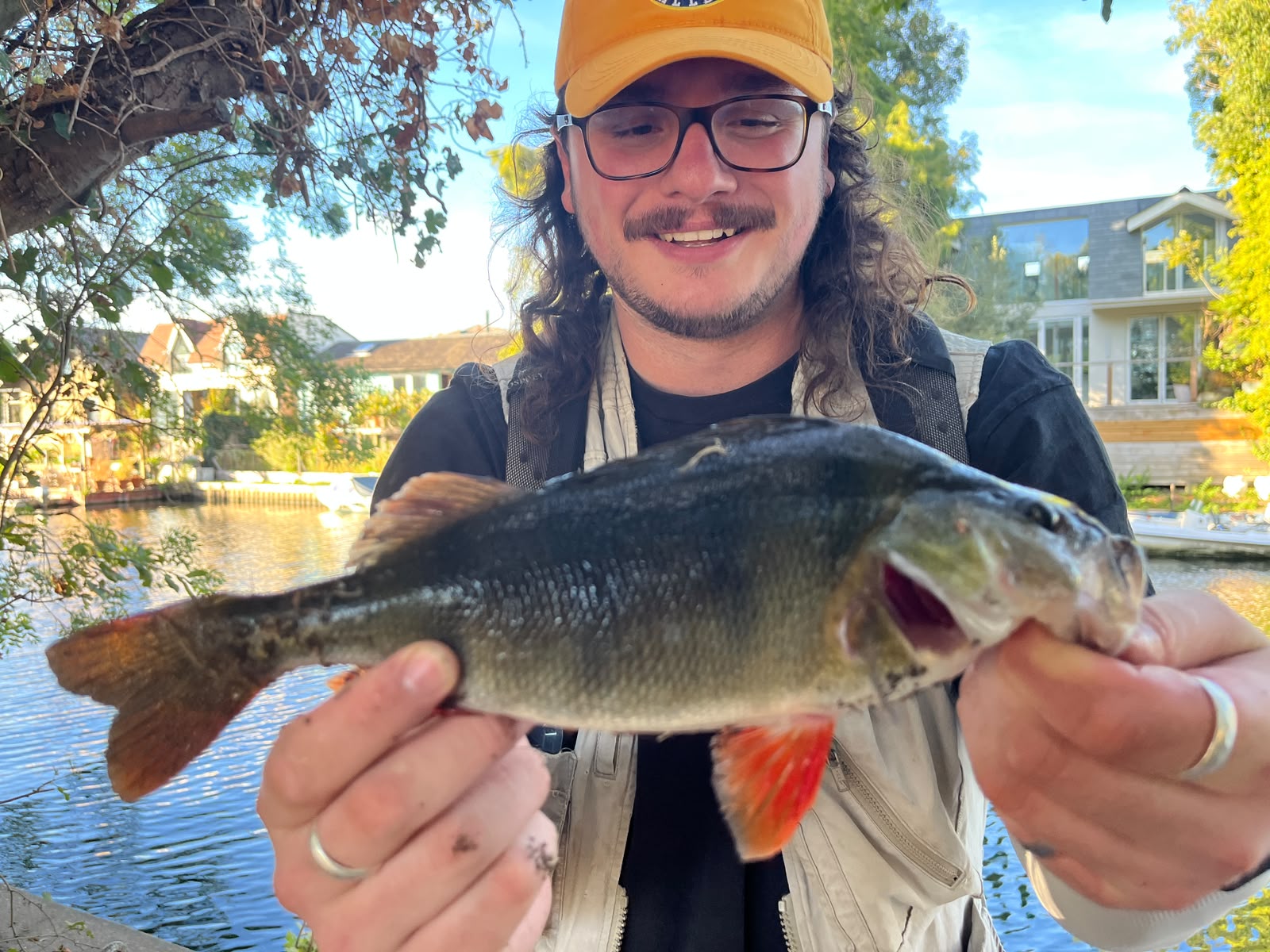
A handful of floats will see you through your first season. A few straight wagglers for stillwaters and a couple of small pole-style or stick floats for slow canals are plenty. Learn to shot one so only the tip shows above the surface, and you will see bites you would otherwise miss. If roaming a riverbank with lures appeals more, a small selection of spinners and spoons is all you need: a few inline spinners in sizes 1-3 will catch perch and trout on rivers and canals across the country. If you might hook a pike, always use a wire trace of at least 20lb, because their teeth slice through mono and braid in an instant, leaving a fish trailing a lure.
Fish Care and Carrying Kit: Pliers, Net, Mat and Box
This is the part of a beginner fishing tackle checklist that new anglers most often skimp on, and the part fishery bailiffs notice first. Good fish care is now an expectation on almost every managed water in the UK, and the right kit makes it straightforward rather than stressful.
Unhooking tools, landing nets and mats
A plastic disgorger costs pennies and slides down the line to free a small hook cleanly. For larger hooks and lures, a pair of forceps or long-nosed fishing pliers (around £5-£15) is essential, and pliers with a split-ring tool and line cutter earn their keep quickly. A landing net with a 2m handle lets you lift fish out without straining your line; a 42-50cm head suits most coarse fishing, while carp waters often specify a larger net. Many fisheries also make an unhooking mat compulsory. It gives the fish a padded, wet surface to lie on while you remove the hook, rather than dry grass or hard gravel. Expect to pay roughly £15-£40 for a decent mat. Keep everything wet, keep the fish low to the ground and return it promptly.
A tackle box and something to carry it in
A compact tackle box with adjustable compartments keeps hooks, shot, floats and lures organised and stops small items rattling around a bag. You do not need a huge seat box or trolley at the start; a medium box and a rucksack or carryall will hold everything on this list. Add a towel for your hands, a bait box with a lid, a small pair of scissors or line clippers, and a plastic bag to take home any litter, including old line, which is a serious hazard for birds and wildlife.
What to Buy First and What Can Wait
The quickest way to waste money in angling is to buy for the angler you might become in three years. Instead, buy for the fishing you will actually do this month. The table below splits a typical beginner fishing tackle checklist into essentials for the first session and sensible later additions, with typical UK market prices to help you budget. These are general market ranges rather than any single retailer's prices.
Item |
Buy first or later? |
Typical UK price range |
Why it matters |
|---|---|---|---|
Rod licence (England, freshwater) |
First |
Free for under-17s; around £35-£40 a year for adults |
A legal requirement for anyone 13 or over |
Rod and reel combo |
First |
£40-£120 |
Balanced, ready-matched set-up |
6-8lb mono line |
First |
£5-£15 |
Forgiving and easy to knot |
Barbless hooks (sizes 14-18) |
First |
£2-£5 per packet |
Fishery rules and fish welfare |
Non-toxic split shot |
First |
£3-£8 |
Sets float depth and presentation |
Wagglers or small floats |
First |
£5-£15 for a selection |
Shows bites clearly |
Disgorger and forceps or pliers |
First |
£5-£15 |
Safe, quick unhooking |
Landing net and handle |
First |
£25-£60 |
Lands fish without breaking line |
Unhooking mat |
First |
£15-£40 |
Often compulsory on commercial waters |
Tackle box |
First |
£10-£30 |
Keeps small items organised |
Spinners, spoons and wire traces |
Later |
£3-£8 per lure |
For moving on to predator fishing |
Braid and fluorocarbon leader |
Later |
£15-£30 braid; £8-£15 fluoro |
Sensitivity and stealth for lures |
Second rod for a new method |
Later |
£40-£150 |
Feeder, spinning, sea or fly fishing |
Your first-session kit
Put the first-buy items together and a complete, fishery-ready kit usually lands somewhere between £80 and £180, not counting bait. That is enough to fish a local commercial lake, a canal or a quiet stretch of stillwater all summer. Day-ticket waters are ideal training grounds: they are stocked with plenty of fish, bailiffs are usually happy to point you to a productive peg, and you will quickly learn which bits of kit you reach for and which stay in the box.
Sensible upgrades as you progress
Once you have a few sessions behind you, your next purchase will be obvious. If you keep looking at the perch hunting along the reed line, a light spinning rod with braid and a box of spinners is the natural step. If you enjoy watching a float but want to reach fish further out, a feeder rod opens up bigger lakes and rivers. If holidays, coastal breaks or weekends away keep coming up, a compact multi-piece or telescopic rod lets you pack a set-up without wrestling a two-piece rod through a train door. Upgrading one item at a time, as each gap becomes clear, is cheaper and more satisfying than buying everything at once.
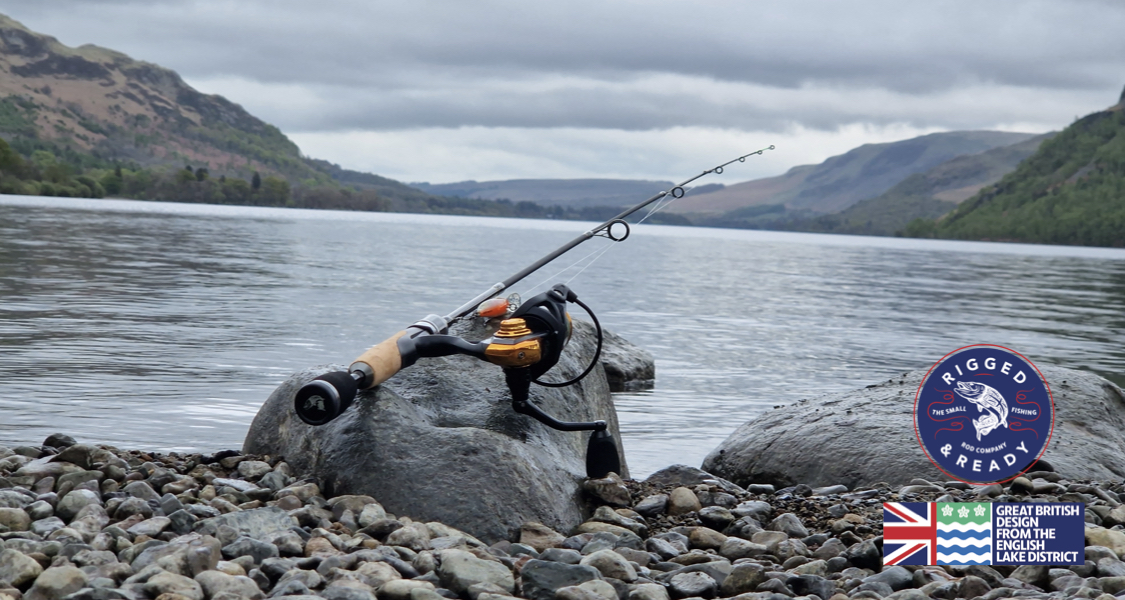
Find out more about our rod selection function. You may also like our guide Choosing Fishing Rods for UK Waters.
Frequently Asked Questions
Do I need a rod licence to go fishing with my children?
Children under 13 do not need a rod licence in England, and 13 to 16-year-olds can register for a free junior licence. Any adult who is fishing, even just helping by casting a rod, needs their own licence. If you are only supervising and never touch the rod, you do not need one.
Is a rod and reel combo good enough for a beginner?
Yes. A well-matched combo is often the best choice for a first rod, because the reel is sized correctly for the rod and you avoid the mismatch problems that come from buying separates without experience. Many anglers keep their first combo as a spare or travel set-up long after they have upgraded.
Should a beginner use mono or braid?
Start with monofilament. It stretches, which is forgiving when you strike too hard or a fish lunges near the net, and it is easy to tie. Braid is excellent for lure fishing once you have the basics, ideally paired with a fluorocarbon leader for extra stealth and abrasion resistance.
What is the most commonly forgotten item on a first trip?
The disgorger, closely followed by the unhooking mat. Both are cheap, both are required or strongly expected on most managed waters, and without them you cannot unhook a deeply hooked fish safely. Keep a spare disgorger clipped inside your tackle box so it never gets left at home.
Where is the best place in the UK for a beginner to start fishing?
A day-ticket commercial stillwater is hard to beat. Fish are plentiful, banks are usually level and safe, there is often parking and toilets, and the bailiff can tell you which method is working that day. Canals are another good, low-cost option in towns and cities across England, provided you have the right permit for that stretch.
Before your first session, buy your licence directly from the official gov.uk rod licence service, check the rules for the water you plan to fish, and pack the essentials from the list above. Everything else can wait until you have caught a few fish and know which way you want to go.
When you are ready to put your kit together, the team at Rigged and Ready can help you find a starter rod, combo or the tackle to go with it. Browse Rigged and Ready's rods and tackle and get yourself set up for a first trip to the water this season.