

Best Travel Fishing Rods Compared

A rod that lives in your suitcase, rucksack or car boot has to work harder than one that only sees the bank. Shortlisting the best travel fishing rods means weighing packed length against casting performance, weight against strength, and versatility against focus. This guide compares the four main formats: multi-piece spin rods, telescopic rods, super-light rods and 2-in-1 fly rods. It looks at how each copes with a Cornish staycation, a flight to the Med, a long walk to a Highland loch or life in the boot.
Quick answer: For most anglers, a four to seven-piece carbon spin rod is the best all-round travel rod. It packs to around 40-60cm and casts almost like a two-piece. Telescopic rods suit the car boot and spontaneous sessions, super-light rods suit hikers chasing trout and perch, and 2-in-1 fly rods suit mixed river trips.
Key Takeaways
Multi-piece spin rods give the closest feel to a standard rod and fit inside most cabin-sized bags.
Telescopic rods are the quickest to set up and the toughest companion for a car boot, but are usually heavier and less sensitive.
Super-light rods pack the smallest and weigh the least, ideal for walking to remote water with lures of roughly 1-10g.
2-in-1 fly rods give you two set-ups from one tube, useful when you are not sure what the water will demand.
A hard rod tube, waxed joints and a quick check of your airline's sports equipment rules prevent most travel disasters.
What Makes the Best Travel Fishing Rods Different?
A conventional two-piece rod of 2.4m (8ft) packs down to about 1.25m. That is fine in an estate car but useless on a budget flight or strapped to a daypack. Travel rods solve the problem by splitting the blank into more sections or collapsing them inside one another, without turning a crisp, responsive rod into a wet noodle. The best travel fishing rods manage it through good carbon, well-fitted joints and sensible lengths for the fishing they are designed for.
Packed length versus fishing length
The first figure to check on any listing is the transport length, sometimes called closed or packed length. As a rough guide, a seven-piece 2.1m spin rod packs to around 33-38cm, a five-piece 2.7m rod to roughly 60cm, and a telescopic 2.4m rod usually closes to 50-70cm. Measure the bag you actually intend to use. A typical UK cabin bag allowance is around 55 x 40 x 20cm, and a rod tube placed corner to corner can be a little longer than the bag itself.
Fishing length matters just as much. Rods of 1.8-2.1m are easier on overgrown streams and in small boats, while 2.7-3m gives you reach for rock marks, wide rivers and lochs where you need to cast beyond weed beds. Do not trade away the length your fishing genuinely needs just to save ten centimetres in a bag.
Joints, action and casting weight
Every joint adds a little weight and a small flat spot in the curve, so more sections were once a real compromise. Modern spigot and put-over ferrules have narrowed that gap considerably, and a well-made five or seven-piece rod now bends in a smooth, progressive arc. What matters is that sections seat firmly, guides line up cleanly and joints do not creak under load.
Pay attention to the casting weight rating printed on the blank. A rod rated 5-20g will flick small spinners and soft plastics for perch and trout; one rated 20-60g will handle metal lures for bass and mackerel off a harbour wall. A travel rod with the wrong rating will either feel dead or risk snapping on the cast, however neatly it packs.
Multi-Piece Spin Rods and Telescopic Rods
These are the two formats most anglers consider first, and they suit quite different habits. One rewards a little set-up time with near-standard performance; the other prioritises speed and toughness.
Multi-piece spin rods
A multi-piece spin rod, typically four to seven sections, is the default choice for anyone who wants one rod for holidays at home and abroad. Because each joint is a proper ferrule rather than a sliding section, the action stays crisp and the guides are spread along the blank as on a standard rod. That means better casting distance, better bite detection through braid and confidence with a hard-fighting fish. Rigged and Ready's Smuggler Series spin rods and X Series multi-function rods sit in this territory, built around the idea of a proper rod that happens to fit in a bag.
The downsides are modest. Assembly takes a minute or two, and on a cold, wet morning by a reservoir, aligning seven joints can test the patience. Carry the rod in its tube between sessions rather than half-assembled, because a loose top section is easy to lose in long grass. As a typical market guide, quality multi-piece travel spin rods sell for around £40-£150, with premium blanks going higher.
Telescopic rods
A telescopic rod collapses each section into the one below, so it slides out in seconds, often with the line left threaded. That makes it the classic car boot rod: ready when you pass a promising stretch of the Wye or spot mackerel showing off a Devon slipway. The closed rod also protects the thin tip sections inside the butt, which is why telescopics cope well with being knocked about.
The compromises are weight and feel. Each section has to house the next, so blank walls are thicker and the rod is often heavier than a multi-piece of the same length. Guide spacing is less ideal, and sections can twist during a session, pulling guides out of line. Look for snug-fitting sections and give each a gentle twist as you extend it. Telescopic rods typically cost £20-£80.
Super-Light Rods and 2-in-1 Fly Rods
The other two formats are more specialised. They suit anglers who know exactly what water they will fish, or who want maximum flexibility from a single tube.
Super-light rods for hiking and small water
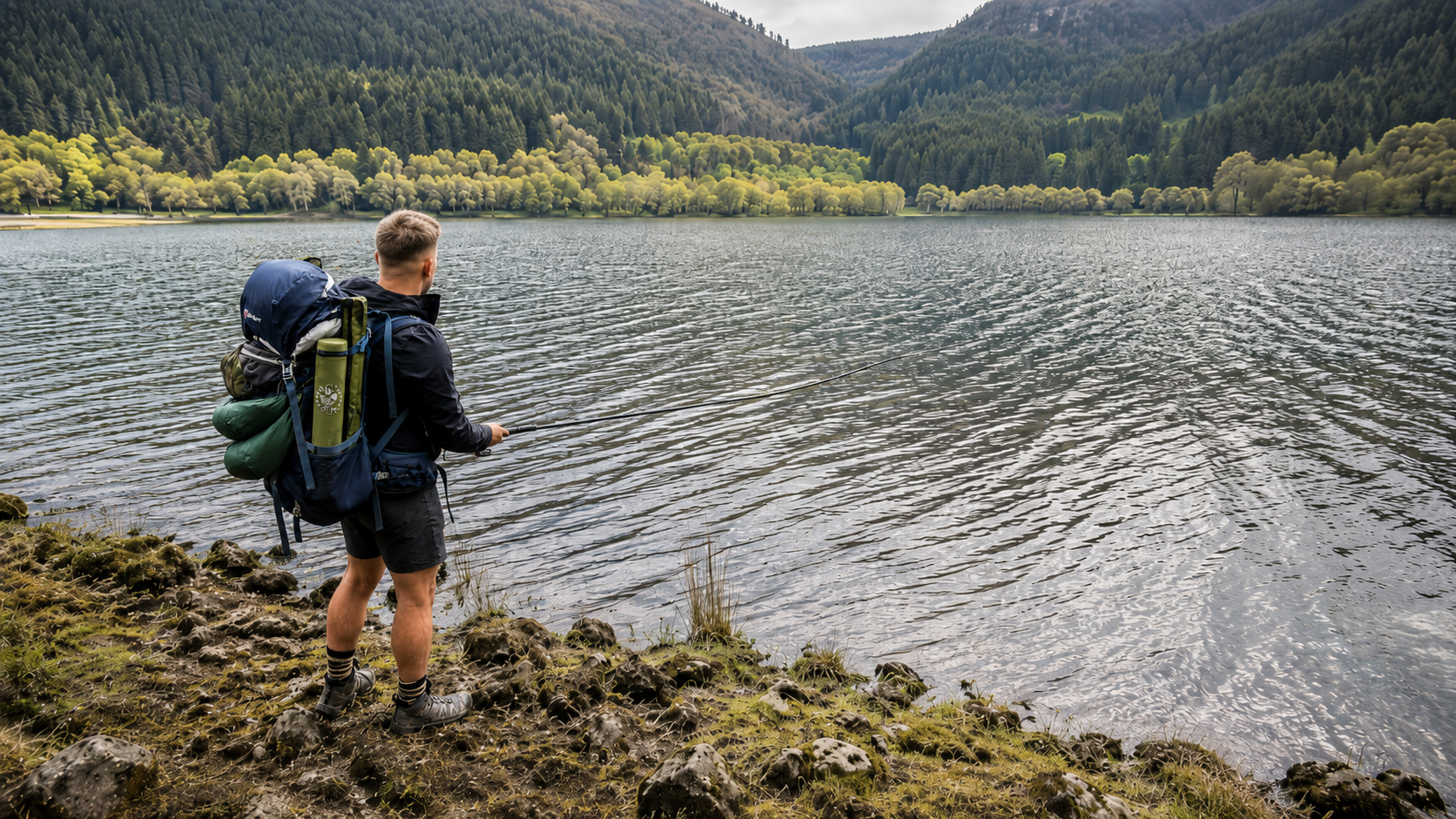
Super-light rods are built around tiny lures and light lines, typically with casting weights in the 1-10g bracket. They often pack to the length of a water bottle and disappear into a hillwalking rucksack. On a hike to the hill lochs of Assynt, a llyn high in Eryri or a moorland beck in the Yorkshire Dales, they let you fish for wild brown trout and perch without carrying a full kit. Hooking a 300g wild trout on a rod this light is huge fun.
The trade-off is obvious: they are not designed for big fish, heavy lures or long casts into a headwind. If there is a realistic chance of a pike, a sea trout or a decent bass, a super-light rod is the wrong tool. The brand's Fish Rig Series groups its super-light and telescopic models together, reflecting how often anglers want both qualities in one rod.
2-in-1 fly rods for mixed trips
A 2-in-1 fly rod gives you two configurations from one tube, so read the product details carefully to see exactly what each option is built for. The appeal is clear when conditions are unpredictable: a Scottish river running low and clear one day and coloured after rain the next, or a holiday mixing a Hampshire chalk stream with a stillwater.
Travel fly rods usually come in four or more sections and pair best with a compact fly reel and spare spools. Expect typical market prices of around £60-£250 or more for a quality travel fly outfit. The brand's Fly 2-in-1 series is aimed at exactly this angler. If you only ever fish dry flies for trout, a single-purpose rod may suit you better; if you like options, a 2-in-1 saves packing two tubes.
Format |
Typical packed length |
Weight |
Strength and feel |
Best for |
Typical market price |
|---|---|---|---|---|---|
Multi-piece spin (4-7 pieces) |
33-60cm |
Light to moderate |
Closest to a standard rod; crisp action |
Flights, mixed holidays, lure fishing |
£40-£150+ |
Telescopic |
40-70cm |
Moderate to heavier |
Tough, slightly less sensitive |
Car boot, spontaneous sessions, family trips |
£20-£80 |
Super-light |
Often under 45cm |
Very light |
Delicate; small lures and fish |
Hiking to hill lochs, streams, perch and trout |
£30-£100 |
2-in-1 fly |
45-70cm |
Light |
Two set-ups from one tube |
River trips, mixed fly fishing |
£60-£250+ |
Matching the Best Travel Fishing Rods to Your Trip
There is no single winner among the best travel fishing rods, because the right choice depends on where you are going and how you get there. Think about the journey first, then the fishing.
UK staycations and the car boot
For a week in Pembrokeshire, the Norfolk Broads, the Lake District or the Northumberland coast, you usually have the car, so versatility matters more than packed length. A 2.4-2.7m multi-piece spin rod rated around 10-40g covers a surprising amount: lures for bass and pollack off rocks, small metals for mackerel from a pier and spinners for perch on the Broads. Add a telescopic as a back-up for the children or quick stops.
If the rod will live in the boot permanently, choose a telescopic or a multi-piece in a hard tube. Keep the reel in a padded pouch, keep everything out of sight, and avoid leaving line and soft plastics there for weeks in summer, as heat degrades monofilament and makes soft baits sticky.
Flights abroad and walks to remote lochs
Flying changes everything. Many anglers find a seven-piece spin rod around 2.1m is the sweet spot, because the tube fits diagonally inside a standard suitcase and avoids sports equipment charges. For saltwater holidays, choose corrosion-resistant guides and reel seat, and rinse everything in fresh water after every session.
Walking to remote water is about weight. On a long day in Sutherland or the Cairngorms, a super-light rod or compact multi-piece in a lightweight fabric case makes sense, with a small box of spinners, a spare spool and pliers rather than half the tackle shop. Most Scottish lochs and rivers are privately owned, so get a permit from the estate, angling club or local outlet before you fish.
Cases, Airline Luggage and Rod Care
A cheap rod in a good case often outlives an expensive rod in a cloth bag. How you pack and carry your rod matters as much as which rod you buy.
Choosing a travel case
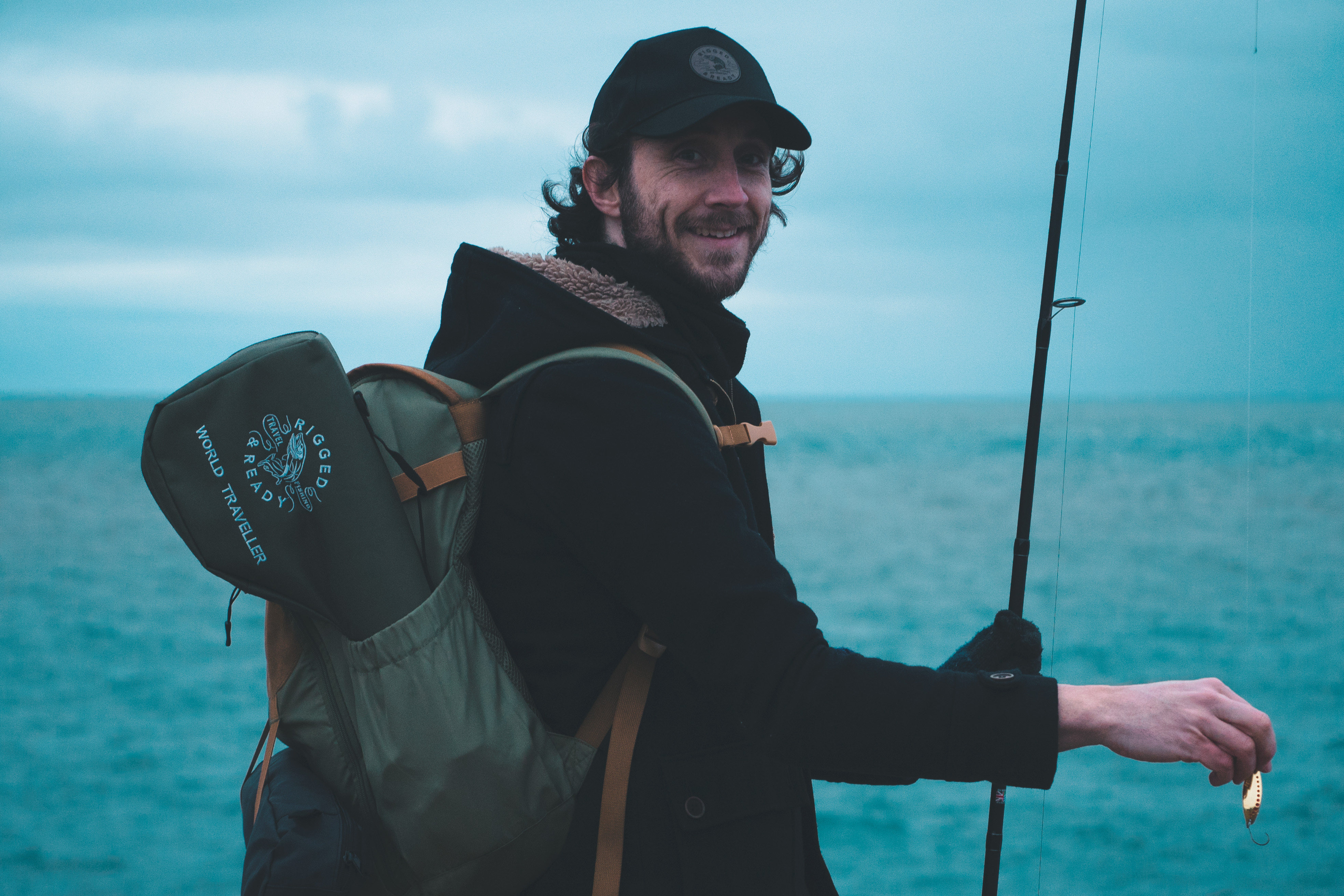
A hard rod tube is the single best investment for anyone flying or driving with a rod. Rigid plastic or aluminium tubes resist crushing in a hold or under camping gear, while padded fabric cases are lighter and better for hiking. Check the internal length suits your rod with a little room to spare, and that each section has its own sleeve. The brand's tips, handles, cases and spares collection is worth a look if your current tube is cracked or too long.
Look after the joints too. A light rub of candle wax on spigot joints helps them seat firmly and come apart cleanly. Never twist sections apart under heavy load, and dry the rod completely before it goes back in the tube, as damp sections sealed away for a week can mark the finish and corrode guide frames.
Flying with rods and tackle
Airline policies vary, so check before you book. Many carriers allow a rod packed inside a normal suitcase at no extra charge; others treat a separate tube as sports equipment, with typical fees of around £35-£75 per flight each way. Hooks, knives, multitools, pliers and lead weights should go in hold luggage.
Photograph your rods, reels and tackle and keep the receipts, because home contents cover does not always extend to sporting equipment abroad. A luggage tracker and a contact label inside the tube help if it goes astray, and a 60cm tube is far easier on a train than a 1.3m one.
Find out more about our rod selection function. You may also like our guide Beginner Fishing Tackle Checklist.
Frequently Asked Questions
Are multi-piece travel rods weaker than two-piece rods?
Not significantly, if they are well made. Modern carbon blanks and precisely fitted ferrules mean a good four to seven-piece rod handles fish of its rated size confidently. Seat every joint fully and keep the guides aligned so the load spreads evenly.
What length of travel rod fits in a cabin bag?
A rod that packs to around 50cm or less will usually fit inside a typical 55 x 40 x 20cm cabin bag, especially placed diagonally. Seven-piece rods of about 2.1m often pack to under 40cm. Always measure your bag and check your airline's current limits.
Is a telescopic rod good enough for sea fishing?
For mackerel off a pier, harbour wall fishing or light lure work, a sturdy telescopic is perfectly capable. For heavier rock fishing, bigger bass or distance casting from a beach, a dedicated multi-piece sea rod with a suitable casting weight usually performs better.
Can I use one travel rod for both freshwater and saltwater?
Yes, many multi-piece spin rods rated around 10-40g cover both. The key is aftercare: rinse the rod and reel in fresh water after every saltwater session, dry them thoroughly and check guides and reel seat for salt crystals before packing.
Do I need a licence to fish with a travel rod in the UK?
In England and Wales, anyone aged 13 or over needs a rod licence to fish for freshwater fish, eels, salmon or sea trout, plus permission from whoever controls the fishing. Scotland has no national rod licence, but most waters need a permit. Shore sea fishing generally needs no licence.
The best travel fishing rods are the ones that suit the way you actually fish and travel, whether that is a seven-piece spin rod in a suitcase, a telescopic in the boot or a super-light rod strapped to a rucksack. Before your next freshwater trip, check the official rod licence guidance on GOV.UK. When you are ready to shortlist, the team at Rigged and Ready has multi-piece, telescopic, super-light and 2-in-1 fly rods to compare, so browse the Rigged and Ready range and find a rod that is packed, protected and ready wherever you are heading.